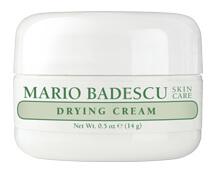
MARIO BADESCU Drying Cream
TLDR
Price:
CA$23.99Product Type:
CleanserFinish
NourishedClaims:
Dry Skin, MoisurizingProduct Description
Target small, under-the-surface bumps and blemishes. Specially formulated with Sulfur and Zinc Oxide to clarify skin, our unique Drying Cream helps target and dry problem areas quickly. 0.5 oz.
HOW TO USE:
Apply sparingly on affected areas only. Blend well with fingertips. If product gets into eyes, rinse well with water. Not recommended for use with topical prescriptions or sensitive skin. Avoid contact with the eyes. If contact occurs, rinse well with water. If irritation develops and persists, discontinue use.
INGREDIENTS:
Aqua (Water, Eau), Zinc Oxide, Cetyl Alcohol, Cera Alba (Beeswax, Cire d’abeille), Polysorbate 80, Glycerin, Ethylhexyl Palmitate, Titanium Dioxide, Propylene Glycol, Sulfur, Oleth-10, Paraffinum Liquidum (Mineral Oil, Huile Minérale), Ichthammol, Hydrolyzed Yeast Protein, Triticum Vulgare (Wheat) Starch, Arctium Lappa Root Extract, Cysteine, Niacinamide, Panthenol, Nasturtium Officinale Flower/Leaf Extract, Aloe Barbadensis Leaf Juice, Citrus Limon (Lemon) Fruit Extract, Tocopherol, Allantoin, Biotin, Arginine, Leucine, Lysine, Tyrosine, Valine, Glutamic Acid, Cellulose Gum, Polysorbate 20, Maltodextrin, Zinc Chloride, Glyceryl Acrylate/Acrylic Acid Copolymer, Pyridoxine HCl, Parfum (Fragrance), Sodium Chloride, Methylparaben, Propylparaben.
Description
Target small, under-the-surface bumps and blemishes. Specially formulated with Sulfur and Zinc Oxide to clarify skin, our unique Drying Cream helps target and dry problem areas quickly. 0.5 oz.
HOW TO USE:
Apply sparingly on affected areas only. Blend well with fingertips. If product gets into eyes, rinse well with water. Not recommended for use with topical prescriptions or sensitive skin. Avoid contact with the eyes. If contact occurs, rinse well with water. If irritation develops and persists, discontinue use.
INGREDIENTS:
Aqua (Water, Eau), Zinc Oxide, Cetyl Alcohol, Cera Alba (Beeswax, Cire d’abeille), Polysorbate 80, Glycerin, Ethylhexyl Palmitate, Titanium Dioxide, Propylene Glycol, Sulfur, Oleth-10, Paraffinum Liquidum (Mineral Oil, Huile Minérale), Ichthammol, Hydrolyzed Yeast Protein, Triticum Vulgare (Wheat) Starch, Arctium Lappa Root Extract, Cysteine, Niacinamide, Panthenol, Nasturtium Officinale Flower/Leaf Extract, Aloe Barbadensis Leaf Juice, Citrus Limon (Lemon) Fruit Extract, Tocopherol, Allantoin, Biotin, Arginine, Leucine, Lysine, Tyrosine, Valine, Glutamic Acid, Cellulose Gum, Polysorbate 20, Maltodextrin, Zinc Chloride, Glyceryl Acrylate/Acrylic Acid Copolymer, Pyridoxine HCl, Parfum (Fragrance), Sodium Chloride, Methylparaben, Propylparaben.
Ingredients:
- AQUA/WATER/EAU AQUA_WATER_EAU is commonly used as a base ingredient in cosmetics to provide hydration and improve the texture and spreadability of the product. It acts as a solvent for other ingredients and helps to deliver the active components of the product to the skin.
- ZINC OXIDE Zinc oxide is commonly used in cosmetics as a mineral sunscreen ingredient that provides broad-spectrum UV protection. It works by forming a physical barrier on the skin to reflect and scatter UV rays, helping to prevent sunburn and skin damage.
- CETYL ALCOHOL Cetyl Alcohol is commonly used in cosmetics as an emollient, emulsifier, and thickening agent. It helps to soften and smooth the skin while also aiding in the stabilization of product ingredients.
- CERA ALBA/BEESWAX/CIRE DABEILLE Cera Alba, also known as Beeswax or Cire Dabeille, is commonly used in cosmetics as a natural emulsifier, thickener, and binder. It helps to provide texture, hold products together, and create a protective barrier for the skin in various skincare and makeup formulations.
- POLYSORBATE 80 Polysorbate 80 is a common emulsifier and surfactant used in cosmetics to help mix oil and water-based ingredients together. It is also used to stabilize and improve the texture of various products such as lotions, creams, and makeup.
- GLYCERIN Glycerin is widely used in cosmetics and personal care products due to its hydrating and emollient properties. It helps to attract and retain moisture in the skin, making it a popular ingredient in moisturizers, lotions, and creams. It can also be used as a humectant in
- ETHYLHEXYL PALMITATE Ethylhexyl Palmitate is a type of ester that is commonly used as an emollient and/or thickening agent in cosmetics and personal care products. It is a clear, colorless, odorless, and slightly oily liquid with a faint, waxy odor. As an emoll
- TITANIUM DIOXIDE Titanium dioxide is a white pigment commonly used in cosmetics to provide opacity and coverage in products such as foundations, powders, and sunscreens. It also helps to protect the skin from damage caused by harmful UV rays by reflecting and scattering the light.
- PROPYLENE GLYCOL Propylene Glycol is a versatile ingredient commonly used in cosmetics as a solvent, humectant, and emollient. It helps to retain moisture, enhance product texture, and improve the absorption of other ingredients.
- Sulfur Sulfur is commonly used in cosmetics for its therapeutic properties, particularly in treatments for acne and various skin conditions. It helps to reduce inflammation, unclog pores, and control excessive oil production, promoting clearer and healthier skin.
- OLETH-10 OLETH-10 is an emulsifying agent, primarily used in cosmetics to help blend together ingredients that are not miscible on their own. It also functions as a surfactant, helping to cleanse the skin by removing dirt and oil.
- PARAFFINUM LIQUIDUM/MINERAL OIL/HUILE MINERALE PARAFFINUM LIQUIDUM, also known as mineral oil or huile minerale, is commonly used in cosmetics as a moisturizing ingredient, creating a protective barrier on the skin to prevent moisture loss and maintain hydration. It is often found in creams, lotions, and ointments, providing an emollient effect to promote smoother and softer skin.
- ICHTHAMMOL Ichthammol is a dark, sticky substance derived from shale oil and is commonly used in cosmetics for its anti-inflammatory and antibacterial properties. It is typically found in skincare products such as acne treatments, ointments, and creams to help soothe and heal irritated skin conditions.
- Hydrolyzed Yeast Protein Hydrolyzed Yeast Protein is commonly used in cosmetics as a conditioning and moisturizing agent. It helps to improve the texture and hydration of the skin and hair, leaving them feeling soft and smooth.
- TRITICUM VULGARE (WHEAT) STARCH Triticum Vulgare (Wheat) Starch is commonly used in cosmetics as a natural absorbent and bulking agent, helping to improve the texture and performance of various products. It can be found in many formulations such as powders, creams, and lotions to provide a smooth and silky feel while also offering oil-absorbing properties.
- Arctium Lappa Root Extract Arctium Lappa Root Extract, also known as burdock root extract, is used in cosmetics for its antioxidant and anti-inflammatory properties. It helps to soothe irritated skin, reduce redness, and promote a clearer complexion, making it a popular ingredient in skincare products.
- CYSTEINE Cysteine is an amino acid commonly used in cosmetics for its antioxidant properties and ability to help strengthen hair fibers. It is often included in hair care products to improve hair texture, add shine, and protect against damage from environmental stressors.
- Niacinamide Niacinamide, also known as vitamin B3, is a water-soluble vitamin that plays an important role in maintaining healthy skin. It is a popular ingredient in many skincare products, as it has been shown to reduce the signs of aging, reduce inflammation, and improve skin barrier function.
- panthenol Panthenol, also known as pro-vitamin B5, is a moisturizing ingredient that is commonly used in cosmetics. It is a humectant, meaning that it helps to keep the skin hydrated and can improve the skin's barrier function. It can also reduce skin irritation and inflammation,
- NASTURTIUM OFFICINALE FLOWER/LEAF EXTRACT NASTURTIUM OFFICINALE FLOWER_LEAF EXTRACT is commonly used in cosmetics due to its antioxidant and anti-inflammatory properties. It is often included in skincare products to help soothe and protect the skin, as well as to provide additional nourishment and hydration.
- Aloe Barbadensis Leaf Juice Aloe Barbadensis Leaf Juice, commonly known as aloe vera, is used in cosmetics for its soothing and hydrating properties. It can help to calm irritated skin, reduce inflammation, and provide a boost of moisture to the skin, making it a popular ingredient in skincare products.
- CITRUS LIMON (LEMON) FRUIT EXTRACT CITRUS LIMON (LEMON) FRUIT EXTRACT is a natural ingredient derived from lemon that is commonly used in cosmetics for its astringent and brightening properties. It helps to tighten the skin, reduce oiliness, and promote a more radiant complexion, making it a popular choice in skincare products.
- TOCOPHEROL Tocopherol is used in cosmetics as a natural antioxidant ingredient that helps protect the skin from free radicals and environmental damage. It also acts as a moisturizer, helping to promote a smoother and more hydrated complexion.
- ALLANTOIN Allantoin is a gentle and effective ingredient commonly used in cosmetics due to its soothing and moisturizing properties. It helps to promote skin healing, reduce irritation, and improve the overall texture and appearance of the skin.
- BIOTIN Biotin, also known as vitamin B7, is often used in cosmetics for its hair-strengthening properties. It is believed to help nourish and encourage healthy hair growth, making it a popular ingredient in hair care products like shampoos and conditioners.
- ARGININE Arginine, an amino acid, is often used in cosmetics as a moisturizing ingredient. It has a unique capability to help skin retain moisture, which can lead to improved skin tone and texture. It also helps improve the appearance of wrinkles and fine lines, as it is thought to stimulate collagen production. Additionally
- LEUCINE Leucine is an amino acid that is commonly used in cosmetics for its ability to help hydrate and condition the skin. It is often included in skincare products to improve moisture retention and promote a healthy, nourished complexion.
- LYSINE Lysine is an essential amino acid commonly used in cosmetics for its skin-conditioning properties. It helps to improve the texture and appearance of the skin, promoting a smooth and healthy complexion.
- TYROSINE Tyrosine is an amino acid that is used in cosmetics for its skin conditioning properties. It helps to improve skin hydration and can contribute to a more radiant and youthful complexion.
- Valine Valine is an essential amino acid commonly used in cosmetics for its ability to help repair and promote the growth of skin cells. It is known for its moisturizing and nourishing properties, making it a popular ingredient in skincare products.
- GLUTAMIC ACID Glutamic acid is an amino acid often used in cosmetics for its hydrating and skin conditioning properties. It helps to support the skin's natural moisture barrier and can contribute to a smoother and more radiant complexion.
- cellulose gum Cellulose gum is a natural, plant-derived thickener and stabilizer used in cosmetics and personal care products to improve texture and consistency. It is commonly used in products like lotions, creams, gels, and foundations to improve texture, increase viscosity, and help suspend insoluble particles
- POLYSORBATE 20 Polysorbate 20 is commonly used as an emulsifier in cosmetics, helping to blend oil and water-based ingredients together. It also acts as a gentle cleanser and is often found in skincare products, hair care products, and personal care items.
- Maltodextrin Maltodextrin is a common ingredient in cosmetics that helps to improve the texture and feel of a product. It functions as a bulking agent, viscosity enhancer, and skin-conditioning agent.
- ZINC CHLORIDE Zinc chloride is commonly used in cosmetics as an astringent and antiseptic agent due to its ability to control oil production and promote a clear complexion. It is often included in skincare products such as toners and acne treatments to help tighten pores and disinfect the skin.
- GLYCERYL ACRYLATE/ACRYLIC ACID COPOLYMER Glyceryl Acrylate/Acrylic Acid Copolymer is commonly used in cosmetics as a film-forming agent and a viscosity controlling ingredient. It helps in creating a smooth and even texture in products like lotions, creams, and gels, providing long-lasting and enhanced performance.
- PYRIDOXINE HCL Pyridoxine HCL is a form of vitamin B6 that is commonly used in cosmetics as a skin conditioning agent. It helps to improve the overall appearance and texture of the skin, while also promoting a healthier and more vibrant complexion.
- PARFUM (FRAGRANCE) PARFUM (FRAGRANCE) is a common cosmetic ingredient used to impart a desired scent or fragrance to a product. It is often a blend of various synthetic or natural compounds that create a specific aroma and enhance the overall sensory experience of the cosmetic product.
- sodium chloride Sodium chloride, also known as table salt, is used in cosmetics for a variety of purposes. It is used to thicken products, balance the pH, and as a preservative. It is also used to help bind ingredients together, and to reduce irritation from other ingredients. Sodium chloride is also used as
- METHYLPARABEN Methylparaben is a common preservative used in cosmetics to prevent the growth of harmful bacteria, fungi, and other microbes in products such as lotions, creams, and makeup. It helps extend the shelf life of these products and ensures they remain safe for use.
- PROPYLPARABEN Propylparaben is a commonly used preservative in cosmetics to prevent bacterial and fungal growth, thus extending the shelf-life of the product. It is effective in inhibiting microbial contamination and ensuring the safety and stability of the cosmetic formulation.
Ingredients
- AQUA/WATER/EAU AQUA_WATER_EAU is commonly used as a base ingredient in cosmetics to provide hydration and improve the texture and spreadability of the product. It acts as a solvent for other ingredients and helps to deliver the active components of the product to the skin.
- ZINC OXIDE Zinc oxide is commonly used in cosmetics as a mineral sunscreen ingredient that provides broad-spectrum UV protection. It works by forming a physical barrier on the skin to reflect and scatter UV rays, helping to prevent sunburn and skin damage.
- CETYL ALCOHOL Cetyl Alcohol is commonly used in cosmetics as an emollient, emulsifier, and thickening agent. It helps to soften and smooth the skin while also aiding in the stabilization of product ingredients.
- CERA ALBA/BEESWAX/CIRE DABEILLE Cera Alba, also known as Beeswax or Cire Dabeille, is commonly used in cosmetics as a natural emulsifier, thickener, and binder. It helps to provide texture, hold products together, and create a protective barrier for the skin in various skincare and makeup formulations.
- POLYSORBATE 80 Polysorbate 80 is a common emulsifier and surfactant used in cosmetics to help mix oil and water-based ingredients together. It is also used to stabilize and improve the texture of various products such as lotions, creams, and makeup.
- GLYCERIN Glycerin is widely used in cosmetics and personal care products due to its hydrating and emollient properties. It helps to attract and retain moisture in the skin, making it a popular ingredient in moisturizers, lotions, and creams. It can also be used as a humectant in
- ETHYLHEXYL PALMITATE Ethylhexyl Palmitate is a type of ester that is commonly used as an emollient and/or thickening agent in cosmetics and personal care products. It is a clear, colorless, odorless, and slightly oily liquid with a faint, waxy odor. As an emoll
- TITANIUM DIOXIDE Titanium dioxide is a white pigment commonly used in cosmetics to provide opacity and coverage in products such as foundations, powders, and sunscreens. It also helps to protect the skin from damage caused by harmful UV rays by reflecting and scattering the light.
- PROPYLENE GLYCOL Propylene Glycol is a versatile ingredient commonly used in cosmetics as a solvent, humectant, and emollient. It helps to retain moisture, enhance product texture, and improve the absorption of other ingredients.
- Sulfur Sulfur is commonly used in cosmetics for its therapeutic properties, particularly in treatments for acne and various skin conditions. It helps to reduce inflammation, unclog pores, and control excessive oil production, promoting clearer and healthier skin.
- OLETH-10 OLETH-10 is an emulsifying agent, primarily used in cosmetics to help blend together ingredients that are not miscible on their own. It also functions as a surfactant, helping to cleanse the skin by removing dirt and oil.
- PARAFFINUM LIQUIDUM/MINERAL OIL/HUILE MINERALE PARAFFINUM LIQUIDUM, also known as mineral oil or huile minerale, is commonly used in cosmetics as a moisturizing ingredient, creating a protective barrier on the skin to prevent moisture loss and maintain hydration. It is often found in creams, lotions, and ointments, providing an emollient effect to promote smoother and softer skin.
- ICHTHAMMOL Ichthammol is a dark, sticky substance derived from shale oil and is commonly used in cosmetics for its anti-inflammatory and antibacterial properties. It is typically found in skincare products such as acne treatments, ointments, and creams to help soothe and heal irritated skin conditions.
- Hydrolyzed Yeast Protein Hydrolyzed Yeast Protein is commonly used in cosmetics as a conditioning and moisturizing agent. It helps to improve the texture and hydration of the skin and hair, leaving them feeling soft and smooth.
- TRITICUM VULGARE (WHEAT) STARCH Triticum Vulgare (Wheat) Starch is commonly used in cosmetics as a natural absorbent and bulking agent, helping to improve the texture and performance of various products. It can be found in many formulations such as powders, creams, and lotions to provide a smooth and silky feel while also offering oil-absorbing properties.
- Arctium Lappa Root Extract Arctium Lappa Root Extract, also known as burdock root extract, is used in cosmetics for its antioxidant and anti-inflammatory properties. It helps to soothe irritated skin, reduce redness, and promote a clearer complexion, making it a popular ingredient in skincare products.
- CYSTEINE Cysteine is an amino acid commonly used in cosmetics for its antioxidant properties and ability to help strengthen hair fibers. It is often included in hair care products to improve hair texture, add shine, and protect against damage from environmental stressors.
- Niacinamide Niacinamide, also known as vitamin B3, is a water-soluble vitamin that plays an important role in maintaining healthy skin. It is a popular ingredient in many skincare products, as it has been shown to reduce the signs of aging, reduce inflammation, and improve skin barrier function.
- panthenol Panthenol, also known as pro-vitamin B5, is a moisturizing ingredient that is commonly used in cosmetics. It is a humectant, meaning that it helps to keep the skin hydrated and can improve the skin's barrier function. It can also reduce skin irritation and inflammation,
- NASTURTIUM OFFICINALE FLOWER/LEAF EXTRACT NASTURTIUM OFFICINALE FLOWER_LEAF EXTRACT is commonly used in cosmetics due to its antioxidant and anti-inflammatory properties. It is often included in skincare products to help soothe and protect the skin, as well as to provide additional nourishment and hydration.
- Aloe Barbadensis Leaf Juice Aloe Barbadensis Leaf Juice, commonly known as aloe vera, is used in cosmetics for its soothing and hydrating properties. It can help to calm irritated skin, reduce inflammation, and provide a boost of moisture to the skin, making it a popular ingredient in skincare products.
- CITRUS LIMON (LEMON) FRUIT EXTRACT CITRUS LIMON (LEMON) FRUIT EXTRACT is a natural ingredient derived from lemon that is commonly used in cosmetics for its astringent and brightening properties. It helps to tighten the skin, reduce oiliness, and promote a more radiant complexion, making it a popular choice in skincare products.
- TOCOPHEROL Tocopherol is used in cosmetics as a natural antioxidant ingredient that helps protect the skin from free radicals and environmental damage. It also acts as a moisturizer, helping to promote a smoother and more hydrated complexion.
- ALLANTOIN Allantoin is a gentle and effective ingredient commonly used in cosmetics due to its soothing and moisturizing properties. It helps to promote skin healing, reduce irritation, and improve the overall texture and appearance of the skin.
- BIOTIN Biotin, also known as vitamin B7, is often used in cosmetics for its hair-strengthening properties. It is believed to help nourish and encourage healthy hair growth, making it a popular ingredient in hair care products like shampoos and conditioners.
- ARGININE Arginine, an amino acid, is often used in cosmetics as a moisturizing ingredient. It has a unique capability to help skin retain moisture, which can lead to improved skin tone and texture. It also helps improve the appearance of wrinkles and fine lines, as it is thought to stimulate collagen production. Additionally
- LEUCINE Leucine is an amino acid that is commonly used in cosmetics for its ability to help hydrate and condition the skin. It is often included in skincare products to improve moisture retention and promote a healthy, nourished complexion.
- LYSINE Lysine is an essential amino acid commonly used in cosmetics for its skin-conditioning properties. It helps to improve the texture and appearance of the skin, promoting a smooth and healthy complexion.
- TYROSINE Tyrosine is an amino acid that is used in cosmetics for its skin conditioning properties. It helps to improve skin hydration and can contribute to a more radiant and youthful complexion.
- Valine Valine is an essential amino acid commonly used in cosmetics for its ability to help repair and promote the growth of skin cells. It is known for its moisturizing and nourishing properties, making it a popular ingredient in skincare products.
- GLUTAMIC ACID Glutamic acid is an amino acid often used in cosmetics for its hydrating and skin conditioning properties. It helps to support the skin's natural moisture barrier and can contribute to a smoother and more radiant complexion.
- cellulose gum Cellulose gum is a natural, plant-derived thickener and stabilizer used in cosmetics and personal care products to improve texture and consistency. It is commonly used in products like lotions, creams, gels, and foundations to improve texture, increase viscosity, and help suspend insoluble particles
- POLYSORBATE 20 Polysorbate 20 is commonly used as an emulsifier in cosmetics, helping to blend oil and water-based ingredients together. It also acts as a gentle cleanser and is often found in skincare products, hair care products, and personal care items.
- Maltodextrin Maltodextrin is a common ingredient in cosmetics that helps to improve the texture and feel of a product. It functions as a bulking agent, viscosity enhancer, and skin-conditioning agent.
- ZINC CHLORIDE Zinc chloride is commonly used in cosmetics as an astringent and antiseptic agent due to its ability to control oil production and promote a clear complexion. It is often included in skincare products such as toners and acne treatments to help tighten pores and disinfect the skin.
- GLYCERYL ACRYLATE/ACRYLIC ACID COPOLYMER Glyceryl Acrylate/Acrylic Acid Copolymer is commonly used in cosmetics as a film-forming agent and a viscosity controlling ingredient. It helps in creating a smooth and even texture in products like lotions, creams, and gels, providing long-lasting and enhanced performance.
- PYRIDOXINE HCL Pyridoxine HCL is a form of vitamin B6 that is commonly used in cosmetics as a skin conditioning agent. It helps to improve the overall appearance and texture of the skin, while also promoting a healthier and more vibrant complexion.
- PARFUM (FRAGRANCE) PARFUM (FRAGRANCE) is a common cosmetic ingredient used to impart a desired scent or fragrance to a product. It is often a blend of various synthetic or natural compounds that create a specific aroma and enhance the overall sensory experience of the cosmetic product.
- sodium chloride Sodium chloride, also known as table salt, is used in cosmetics for a variety of purposes. It is used to thicken products, balance the pH, and as a preservative. It is also used to help bind ingredients together, and to reduce irritation from other ingredients. Sodium chloride is also used as
- METHYLPARABEN Methylparaben is a common preservative used in cosmetics to prevent the growth of harmful bacteria, fungi, and other microbes in products such as lotions, creams, and makeup. It helps extend the shelf life of these products and ensures they remain safe for use.
- PROPYLPARABEN Propylparaben is a commonly used preservative in cosmetics to prevent bacterial and fungal growth, thus extending the shelf-life of the product. It is effective in inhibiting microbial contamination and ensuring the safety and stability of the cosmetic formulation.