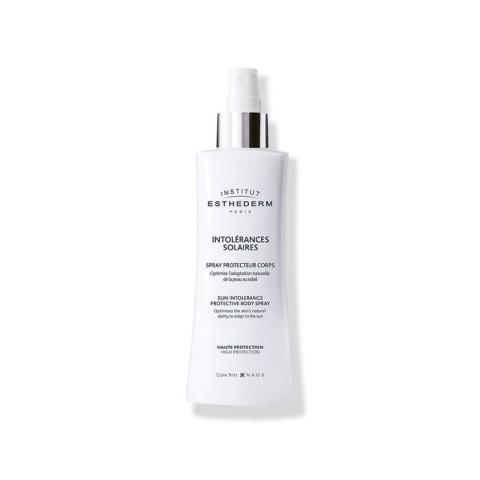
SUN ULTIMATE BODY SPRAY
TLDR
Price:
CA$69.00Product Type:
MoisturizerFinish
NourishedClaims:
Calms Skin, Moisurizing, Softens SkinInstructions
Apply liberally and spread evenly by hand 15 min before sun exposure. Reapply at least every 2 hours.Product Description
Sun Ultimate Spray targets factors responsible of skin aging for an ideally moisturized, souple and younger-looking skin.
Sun Ultimate Spray targets factors responsible of skin aging for an ideally moisturized, souple and younger-looking skin.
A 100% mineral filters sunscreen with a creamy texture that protects against the harmful effects of UVs (UVA and UVB).
CELLULAR WATER PATENT (*PATENT ISSUED IN FRANCE)
Water is the main component of a cosmetic product: therefore, its quality is essential. NAOS has designed a perfectly defined water, meeting the three fundamental criteria for physiological fluids: pH, oxidation resistance, and concentration of mineral salts. It optimises cellular functioning and preserves the balance of healthy skin. Components that can contribute to this patent: aqua/water/eau, disodium adenosine triphosphate, carnosine, laminaria digitata extract, aminoethanesulfinic acid, citric acid, as well as mineral salts.
GLOBAL CELLULAR PROTECTION PATENT (*PATENT ISSUED IN FRANCE)
This patented complex optimises the skin’s biological protection mechanisms, in particular its antioxidant properties and ability to protect cellular DNA.
HOW TO USE
Apply liberally and spread evenly by hand 15 min before sun exposure.
Reapply at least every 2 hours.
TEXTURE
Milky
Description
Sun Ultimate Spray targets factors responsible of skin aging for an ideally moisturized, souple and younger-looking skin.
Sun Ultimate Spray targets factors responsible of skin aging for an ideally moisturized, souple and younger-looking skin.
A 100% mineral filters sunscreen with a creamy texture that protects against the harmful effects of UVs (UVA and UVB).
CELLULAR WATER PATENT (*PATENT ISSUED IN FRANCE)
Water is the main component of a cosmetic product: therefore, its quality is essential. NAOS has designed a perfectly defined water, meeting the three fundamental criteria for physiological fluids: pH, oxidation resistance, and concentration of mineral salts. It optimises cellular functioning and preserves the balance of healthy skin. Components that can contribute to this patent: aqua/water/eau, disodium adenosine triphosphate, carnosine, laminaria digitata extract, aminoethanesulfinic acid, citric acid, as well as mineral salts.
GLOBAL CELLULAR PROTECTION PATENT (*PATENT ISSUED IN FRANCE)
This patented complex optimises the skin’s biological protection mechanisms, in particular its antioxidant properties and ability to protect cellular DNA.
HOW TO USE
Apply liberally and spread evenly by hand 15 min before sun exposure.
Reapply at least every 2 hours.
TEXTURE
Milky
Ingredients:
- AQUA/WATER/EAU AQUA_WATER_EAU is commonly used as a base ingredient in cosmetics to provide hydration and improve the texture and spreadability of the product. It acts as a solvent for other ingredients and helps to deliver the active components of the product to the skin.
- DIBUTYL ADIPATE DIBUTYL ADIPATE is commonly used in cosmetics as a plasticizer and emollient, providing a smooth and soft texture to products. It helps to improve the spreadability and absorption of other ingredients, making it commonly found in creams, lotions, and haircare products.
- DICAPRYLYL CARBONATE DICAPRYLYL CARBONATE is commonly used in cosmetics as an emollient and skin conditioning agent. It helps to improve the texture and spreadability of products while providing a moisturizing effect on the skin.
- Propanediol Propanediol is a natural preservative, humectant, and solvent used in cosmetics to help keep products stable and safe for use. It works as a preservative by preventing the growth of bacteria, mold, and yeast in cosmetics. As a humectant, it helps skin retain moisture and provides hyd
- BUTYL METHOXYDIBENZOYLMETHANE BUTYL METHOXYDIBENZOYLMETHANE, also known as Avobenzone, is commonly used in cosmetics and sunscreens as a chemical ingredient to absorb and block harmful UVA rays from the sun, helping to protect the skin from sun damage and premature aging. It provides broad-spectrum protection and is often combined with other UV filters to enhance the efficacy of sun protection products.
- BIS-ETHYLHEXYLOXYPHENOL METHOXYPHENYL TRIAZINE BIS-ETHYLHEXYLOXYPHENOL METHOXYPHENYL TRIAZINE, also known as Tinosorb S, is a chemical sunscreen agent that provides broad-spectrum UV protection by absorbing both UVA and UVB rays. It is commonly used in cosmetic products such as sunscreens, moisturizers, and foundations to help prevent sunburn and protect the skin from harmful UV damage.
- DIETHYLHEXYL BUTAMIDO TRIAZONE DIETHYLHEXYL BUTAMIDO TRIAZONE is a chemical compound commonly used in sunscreens and other cosmetic products as a UV filter. It helps to absorb and scatter UVA and UVB rays, providing protection against sun damage and premature aging of the skin.
- GLYCERIN Glycerin is widely used in cosmetics and personal care products due to its hydrating and emollient properties. It helps to attract and retain moisture in the skin, making it a popular ingredient in moisturizers, lotions, and creams. It can also be used as a humectant in
- ETHYLHEXYL TRIAZONE ETHYLHEXYL TRIAZONE is a UV filter that is commonly used in sunscreens and other sun protection products to absorb and block UVA and UVB rays. It helps to prevent sunburn and skin damage caused by the sun's harmful radiation.
- MICROCRYSTALLINE CELLULOSE Microcrystalline cellulose is used in cosmetics as an absorbent and texture-enhancing ingredient. It helps to improve the spreadability and smoothness of products, while also absorbing excess moisture and oil on the skin.
- 1,2-hexanediol 1,2-Hexanediol is a humectant, meaning it attracts and binds moisture to the skin. It is often used in cosmetics because it helps to keep the skin hydrated and prevents moisture from evaporating. It is also an emollient, meaning it softens and soothes the
- C20-22 ALKYL PHOSPHATE C20-22 Alkyl Phosphate is commonly used in cosmetics as an emulsifier and surfactant. It helps to stabilize and blend different ingredients together, while also enhancing the texture and spreadability of cosmetic products.
- TOCOPHERYL ACETATE Tocopheryl Acetate, also known as Vitamin E Acetate, is commonly used in cosmetics as an antioxidant and a skin-conditioning agent. It helps to protect the skin from free radicals, moisturizes, and improves the overall texture and appearance of the skin.
- C20-22 ALCOHOLS C20-22 Alcohols are commonly used in cosmetics as emollients and texture enhancers. They help to moisturize and soften the skin, while also improving the overall texture and feel of the product.
- GLYCYRRHETINIC ACID Glycyrrhetinic Acid, derived from licorice root, is used in cosmetics for its skin-soothing and anti-inflammatory properties. It helps to calm and alleviate skin irritations, making it a popular ingredient in skincare products targeted at sensitive or reactive skin types.
- MANNITOL Mannitol is a sugar alcohol used in cosmetics as a thickening agent and a humectant, helping to retain moisture in the skin. It adds texture to formulas and can also act as an antioxidant, protecting against free radicals.
- SODIUM STEAROYL GLUTAMATE Sodium Stearoyl Glutamate is commonly used in cosmetics as an emulsifier and surfactant, helping to blend and stabilize the various components of a product while also improving its texture and spreadability on the skin. It is often found in creams, lotions, and cleansers to create a smooth and creamy consistency.
- SODIUM DEXTRAN SULFATE Sodium Dextran Sulfate is used in cosmetics as a thickening and emulsifying agent, helping to stabilize and improve the texture of various skincare and haircare products. Additionally, it can also have moisturizing properties, making it beneficial for hydrating formulas.
- CAPRYLYL GLYCOL Caprylyl Glycol is a versatile cosmetic ingredient that is commonly used as a moisturizing agent, emollient, and preservative in cosmetics. It helps to condition and soften the skin, while also preventing the growth of bacteria and other microorganisms in beauty products.
- SODIUM CITRATE Sodium citrate is commonly used in cosmetics as a buffering agent and pH adjuster. It helps stabilize formulas and control the acidity levels of various skincare and haircare products.
- cellulose gum Cellulose gum is a natural, plant-derived thickener and stabilizer used in cosmetics and personal care products to improve texture and consistency. It is commonly used in products like lotions, creams, gels, and foundations to improve texture, increase viscosity, and help suspend insoluble particles
- HYDROLYZED SOY PROTEIN Hydrolyzed Soy Protein is commonly used in cosmetics as a conditioning agent and moisturizer. It helps to improve the appearance and texture of skin and hair by providing hydration and nourishment.
- CREATINE Creatine is commonly used in cosmetics as an ingredient that helps to improve the skin's hydration levels and promote a smoother and more even skin texture. Its moisturizing properties make it a popular choice in skincare products, particularly in anti-aging formulations.
- HYDROLYZED WHEAT PROTEIN Hydrolyzed wheat protein is commonly used in cosmetics as a conditioning agent and film-forming agent. It helps to improve the appearance and texture of skin and hair by providing moisture retention and protection.
- Sodium Hydroxide Sodium hydroxide is used in cosmetics as a neutralizing agent and pH adjuster. It is used to create a pH balance in products like shampoos, conditioners, and facial cleansers. Sodium hydroxide is also used to dissolve oils, proteins, and other ingredients in cosmetics, and
- CITRIC ACID Citric acid is a common additive in cosmetics, personal care products, and beauty products. It is used as a preservative, pH adjuster, and exfoliant. As a preservative, citric acid is used to extend the shelf life of products by inhibiting the growth of bacteria and other
- XANTHAN GUM Xanthan gum is a polysaccharide gum that is used in cosmetics and beauty products as a thickening agent, stabilizer, emulsifier, and suspending agent. It helps to increase the viscosity of a product, preventing separation of ingredients and allowing them to blend together more easily. It
- butylene glycol Butylene glycol is a clear, colorless liquid that is used as a humectant, solvent, and emulsifier in cosmetics. As a humectant, it helps to keep skin hydrated by drawing water from the air or deeper skin layers and locking it onto the surface of the skin.
- PHENOXYETHANOL Phenoxyethanol is a widely used cosmetic ingredient that functions as a preservative, helping to prevent the growth of microorganisms in beauty products. It is often included in skincare, haircare, and makeup formulations to enhance product stability and extend shelf life.
- sodium chloride Sodium chloride, also known as table salt, is used in cosmetics for a variety of purposes. It is used to thicken products, balance the pH, and as a preservative. It is also used to help bind ingredients together, and to reduce irritation from other ingredients. Sodium chloride is also used as
- TOCOPHEROL Tocopherol is used in cosmetics as a natural antioxidant ingredient that helps protect the skin from free radicals and environmental damage. It also acts as a moisturizer, helping to promote a smoother and more hydrated complexion.
- ARTEMIA EXTRACT Artemia extract is commonly used in cosmetics as a skin conditioning and rejuvenating agent. It helps to improve the appearance of the skin by providing hydration, firmness, and a more youthful complexion.
- AMINOETHANESULFINIC ACID Aminoethanesulfinic acid, also known as taurine, is an amino acid derivative commonly used in cosmetics as a skin-conditioning agent and antioxidant. It helps to improve skin hydration, reduce inflammation, and protect against environmental damage, promoting healthier and more radiant-looking skin.
- CARNOSINE Carnosine is a naturally occurring amino acid that is often used in cosmetics for its anti-aging properties. It helps to reduce the appearance of wrinkles and fine lines by protecting the skin against the harmful effects of free radicals and promoting collagen production.
- POTASSIUM CHLORIDE Potassium Chloride is commonly used in cosmetics as a conditioning agent and viscosity builder. It helps to improve the texture and stability of cosmetic products, while also providing moisturizing and soothing properties to the skin.
- SODIUM BICARBONATE Sodium bicarbonate, also known as baking soda, is commonly used in cosmetics as a gentle exfoliant and pH adjuster. It helps to remove dead skin cells, unclog pores, and promote a smoother complexion.
- DISODIUM PHOSPHATE DISODIUM PHOSPHATE is commonly used in cosmetics as an emulsifying agent and pH adjuster, helping to stabilize the formulation and control acidity levels. It can be found in various skincare products, hair care products, and even makeup items.
- MAGNESIUM SULFATE Magnesium sulfate, also known as Epsom salt, is commonly used in cosmetics as a mineral salt for its exfoliating and soothing properties. It is often included in bath salts, scrubs, and creams to help relax muscles, improve circulation, and promote overall skin health.
- POTASSIUM PHOSPHATE Potassium Phosphate is commonly used in cosmetics as a pH adjuster and buffering agent. It helps to stabilize the formulation and maintain the desired pH level for the product.
- CALCIUM CHLORIDE Calcium chloride is commonly used in cosmetics as a firming and stabilizing agent, helping to improve the texture and consistency of various products such as creams, lotions, and serums. Additionally, it can act as a preservative, extending the shelf life of these formulations by preventing the growth of bacteria and other microorganisms.
Ingredients
- AQUA/WATER/EAU AQUA_WATER_EAU is commonly used as a base ingredient in cosmetics to provide hydration and improve the texture and spreadability of the product. It acts as a solvent for other ingredients and helps to deliver the active components of the product to the skin.
- DIBUTYL ADIPATE DIBUTYL ADIPATE is commonly used in cosmetics as a plasticizer and emollient, providing a smooth and soft texture to products. It helps to improve the spreadability and absorption of other ingredients, making it commonly found in creams, lotions, and haircare products.
- DICAPRYLYL CARBONATE DICAPRYLYL CARBONATE is commonly used in cosmetics as an emollient and skin conditioning agent. It helps to improve the texture and spreadability of products while providing a moisturizing effect on the skin.
- Propanediol Propanediol is a natural preservative, humectant, and solvent used in cosmetics to help keep products stable and safe for use. It works as a preservative by preventing the growth of bacteria, mold, and yeast in cosmetics. As a humectant, it helps skin retain moisture and provides hyd
- BUTYL METHOXYDIBENZOYLMETHANE BUTYL METHOXYDIBENZOYLMETHANE, also known as Avobenzone, is commonly used in cosmetics and sunscreens as a chemical ingredient to absorb and block harmful UVA rays from the sun, helping to protect the skin from sun damage and premature aging. It provides broad-spectrum protection and is often combined with other UV filters to enhance the efficacy of sun protection products.
- BIS-ETHYLHEXYLOXYPHENOL METHOXYPHENYL TRIAZINE BIS-ETHYLHEXYLOXYPHENOL METHOXYPHENYL TRIAZINE, also known as Tinosorb S, is a chemical sunscreen agent that provides broad-spectrum UV protection by absorbing both UVA and UVB rays. It is commonly used in cosmetic products such as sunscreens, moisturizers, and foundations to help prevent sunburn and protect the skin from harmful UV damage.
- DIETHYLHEXYL BUTAMIDO TRIAZONE DIETHYLHEXYL BUTAMIDO TRIAZONE is a chemical compound commonly used in sunscreens and other cosmetic products as a UV filter. It helps to absorb and scatter UVA and UVB rays, providing protection against sun damage and premature aging of the skin.
- GLYCERIN Glycerin is widely used in cosmetics and personal care products due to its hydrating and emollient properties. It helps to attract and retain moisture in the skin, making it a popular ingredient in moisturizers, lotions, and creams. It can also be used as a humectant in
- ETHYLHEXYL TRIAZONE ETHYLHEXYL TRIAZONE is a UV filter that is commonly used in sunscreens and other sun protection products to absorb and block UVA and UVB rays. It helps to prevent sunburn and skin damage caused by the sun's harmful radiation.
- MICROCRYSTALLINE CELLULOSE Microcrystalline cellulose is used in cosmetics as an absorbent and texture-enhancing ingredient. It helps to improve the spreadability and smoothness of products, while also absorbing excess moisture and oil on the skin.
- 1,2-hexanediol 1,2-Hexanediol is a humectant, meaning it attracts and binds moisture to the skin. It is often used in cosmetics because it helps to keep the skin hydrated and prevents moisture from evaporating. It is also an emollient, meaning it softens and soothes the
- C20-22 ALKYL PHOSPHATE C20-22 Alkyl Phosphate is commonly used in cosmetics as an emulsifier and surfactant. It helps to stabilize and blend different ingredients together, while also enhancing the texture and spreadability of cosmetic products.
- TOCOPHERYL ACETATE Tocopheryl Acetate, also known as Vitamin E Acetate, is commonly used in cosmetics as an antioxidant and a skin-conditioning agent. It helps to protect the skin from free radicals, moisturizes, and improves the overall texture and appearance of the skin.
- C20-22 ALCOHOLS C20-22 Alcohols are commonly used in cosmetics as emollients and texture enhancers. They help to moisturize and soften the skin, while also improving the overall texture and feel of the product.
- GLYCYRRHETINIC ACID Glycyrrhetinic Acid, derived from licorice root, is used in cosmetics for its skin-soothing and anti-inflammatory properties. It helps to calm and alleviate skin irritations, making it a popular ingredient in skincare products targeted at sensitive or reactive skin types.
- MANNITOL Mannitol is a sugar alcohol used in cosmetics as a thickening agent and a humectant, helping to retain moisture in the skin. It adds texture to formulas and can also act as an antioxidant, protecting against free radicals.
- SODIUM STEAROYL GLUTAMATE Sodium Stearoyl Glutamate is commonly used in cosmetics as an emulsifier and surfactant, helping to blend and stabilize the various components of a product while also improving its texture and spreadability on the skin. It is often found in creams, lotions, and cleansers to create a smooth and creamy consistency.
- SODIUM DEXTRAN SULFATE Sodium Dextran Sulfate is used in cosmetics as a thickening and emulsifying agent, helping to stabilize and improve the texture of various skincare and haircare products. Additionally, it can also have moisturizing properties, making it beneficial for hydrating formulas.
- CAPRYLYL GLYCOL Caprylyl Glycol is a versatile cosmetic ingredient that is commonly used as a moisturizing agent, emollient, and preservative in cosmetics. It helps to condition and soften the skin, while also preventing the growth of bacteria and other microorganisms in beauty products.
- SODIUM CITRATE Sodium citrate is commonly used in cosmetics as a buffering agent and pH adjuster. It helps stabilize formulas and control the acidity levels of various skincare and haircare products.
- cellulose gum Cellulose gum is a natural, plant-derived thickener and stabilizer used in cosmetics and personal care products to improve texture and consistency. It is commonly used in products like lotions, creams, gels, and foundations to improve texture, increase viscosity, and help suspend insoluble particles
- HYDROLYZED SOY PROTEIN Hydrolyzed Soy Protein is commonly used in cosmetics as a conditioning agent and moisturizer. It helps to improve the appearance and texture of skin and hair by providing hydration and nourishment.
- CREATINE Creatine is commonly used in cosmetics as an ingredient that helps to improve the skin's hydration levels and promote a smoother and more even skin texture. Its moisturizing properties make it a popular choice in skincare products, particularly in anti-aging formulations.
- HYDROLYZED WHEAT PROTEIN Hydrolyzed wheat protein is commonly used in cosmetics as a conditioning agent and film-forming agent. It helps to improve the appearance and texture of skin and hair by providing moisture retention and protection.
- Sodium Hydroxide Sodium hydroxide is used in cosmetics as a neutralizing agent and pH adjuster. It is used to create a pH balance in products like shampoos, conditioners, and facial cleansers. Sodium hydroxide is also used to dissolve oils, proteins, and other ingredients in cosmetics, and
- CITRIC ACID Citric acid is a common additive in cosmetics, personal care products, and beauty products. It is used as a preservative, pH adjuster, and exfoliant. As a preservative, citric acid is used to extend the shelf life of products by inhibiting the growth of bacteria and other
- XANTHAN GUM Xanthan gum is a polysaccharide gum that is used in cosmetics and beauty products as a thickening agent, stabilizer, emulsifier, and suspending agent. It helps to increase the viscosity of a product, preventing separation of ingredients and allowing them to blend together more easily. It
- butylene glycol Butylene glycol is a clear, colorless liquid that is used as a humectant, solvent, and emulsifier in cosmetics. As a humectant, it helps to keep skin hydrated by drawing water from the air or deeper skin layers and locking it onto the surface of the skin.
- PHENOXYETHANOL Phenoxyethanol is a widely used cosmetic ingredient that functions as a preservative, helping to prevent the growth of microorganisms in beauty products. It is often included in skincare, haircare, and makeup formulations to enhance product stability and extend shelf life.
- sodium chloride Sodium chloride, also known as table salt, is used in cosmetics for a variety of purposes. It is used to thicken products, balance the pH, and as a preservative. It is also used to help bind ingredients together, and to reduce irritation from other ingredients. Sodium chloride is also used as
- TOCOPHEROL Tocopherol is used in cosmetics as a natural antioxidant ingredient that helps protect the skin from free radicals and environmental damage. It also acts as a moisturizer, helping to promote a smoother and more hydrated complexion.
- ARTEMIA EXTRACT Artemia extract is commonly used in cosmetics as a skin conditioning and rejuvenating agent. It helps to improve the appearance of the skin by providing hydration, firmness, and a more youthful complexion.
- AMINOETHANESULFINIC ACID Aminoethanesulfinic acid, also known as taurine, is an amino acid derivative commonly used in cosmetics as a skin-conditioning agent and antioxidant. It helps to improve skin hydration, reduce inflammation, and protect against environmental damage, promoting healthier and more radiant-looking skin.
- CARNOSINE Carnosine is a naturally occurring amino acid that is often used in cosmetics for its anti-aging properties. It helps to reduce the appearance of wrinkles and fine lines by protecting the skin against the harmful effects of free radicals and promoting collagen production.
- POTASSIUM CHLORIDE Potassium Chloride is commonly used in cosmetics as a conditioning agent and viscosity builder. It helps to improve the texture and stability of cosmetic products, while also providing moisturizing and soothing properties to the skin.
- SODIUM BICARBONATE Sodium bicarbonate, also known as baking soda, is commonly used in cosmetics as a gentle exfoliant and pH adjuster. It helps to remove dead skin cells, unclog pores, and promote a smoother complexion.
- DISODIUM PHOSPHATE DISODIUM PHOSPHATE is commonly used in cosmetics as an emulsifying agent and pH adjuster, helping to stabilize the formulation and control acidity levels. It can be found in various skincare products, hair care products, and even makeup items.
- MAGNESIUM SULFATE Magnesium sulfate, also known as Epsom salt, is commonly used in cosmetics as a mineral salt for its exfoliating and soothing properties. It is often included in bath salts, scrubs, and creams to help relax muscles, improve circulation, and promote overall skin health.
- POTASSIUM PHOSPHATE Potassium Phosphate is commonly used in cosmetics as a pH adjuster and buffering agent. It helps to stabilize the formulation and maintain the desired pH level for the product.
- CALCIUM CHLORIDE Calcium chloride is commonly used in cosmetics as a firming and stabilizing agent, helping to improve the texture and consistency of various products such as creams, lotions, and serums. Additionally, it can act as a preservative, extending the shelf life of these formulations by preventing the growth of bacteria and other microorganisms.