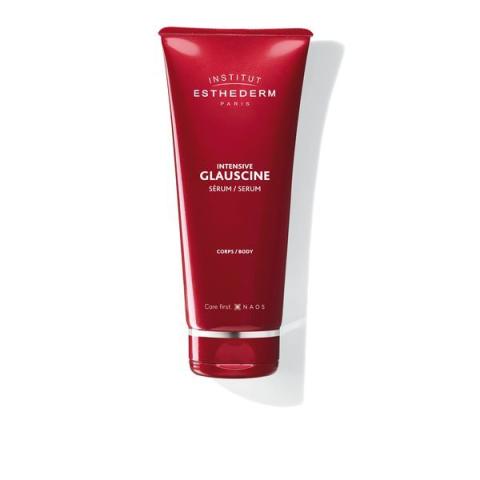
GLAUSCINE SERUM
TLDR
Price:
79,00 $CAProduct Type:
SerumFinish
NourishedClaims:
Calms Skin, Softens SkinInstructions
Apply to affected areas morning and evening and massage in using upward strokes.Product Description
BEAUTIFUL SKIN ENERGIZING EXFOLIANT
A body serum rich in draining ingredients to reduce the appearance of cellulite. A fresh gel that reduces the sensations of "heavy legs".
BEAUTIFUL SKIN ENERGIZING EXFOLIANT
Absorbs into skin to intensely target phenomenon responsible for cellulite by decreasing the appearance of dimples.
PROVEN EFFICACY
Smoother skin: 90%* - Firmer skin: 83%*
CELLULAR WATER PATENT (*PATENT ISSUED IN FRANCE)
Water is the main component of a cosmetic product: therefore, its quality is essential. NAOS has designed a perfectly defined water, meeting the three fundamental criteria for physiological fluids: pH, oxidation resistance, and concentration of mineral salts. It optimises cellular functioning and preserves the balance of healthy skin. Components that can contribute to this patent: aqua/water/eau, disodium adenosine triphosphate, carnosine, laminaria digitata extract, aminoethanesulfinic acid, citric acid, as well as mineral salts.
HOW TO USE
Apply to affected areas morning and evening and massage in using upward strokes.
TEXTURE
Refreshing fluid emulsion
Description
BEAUTIFUL SKIN ENERGIZING EXFOLIANT
A body serum rich in draining ingredients to reduce the appearance of cellulite. A fresh gel that reduces the sensations of "heavy legs".
BEAUTIFUL SKIN ENERGIZING EXFOLIANT
Absorbs into skin to intensely target phenomenon responsible for cellulite by decreasing the appearance of dimples.
PROVEN EFFICACY
Smoother skin: 90%* - Firmer skin: 83%*
CELLULAR WATER PATENT (*PATENT ISSUED IN FRANCE)
Water is the main component of a cosmetic product: therefore, its quality is essential. NAOS has designed a perfectly defined water, meeting the three fundamental criteria for physiological fluids: pH, oxidation resistance, and concentration of mineral salts. It optimises cellular functioning and preserves the balance of healthy skin. Components that can contribute to this patent: aqua/water/eau, disodium adenosine triphosphate, carnosine, laminaria digitata extract, aminoethanesulfinic acid, citric acid, as well as mineral salts.
HOW TO USE
Apply to affected areas morning and evening and massage in using upward strokes.
TEXTURE
Refreshing fluid emulsion
Ingredients:
- AQUA/WATER/EAU AQUA_WATER_EAU is commonly used as a base ingredient in cosmetics to provide hydration and improve the texture and spreadability of the product. It acts as a solvent for other ingredients and helps to deliver the active components of the product to the skin.
- GLYCERIN Glycerin is widely used in cosmetics and personal care products due to its hydrating and emollient properties. It helps to attract and retain moisture in the skin, making it a popular ingredient in moisturizers, lotions, and creams. It can also be used as a humectant in
- ESCIN ESCIN is commonly used in cosmetics as an active ingredient for its anti-inflammatory and circulatory benefits. It helps reduce puffiness, improve skin elasticity, and promote a healthier complexion.
- AMMONIUM ACRYLOYLDIMETHYLTAURATE/VP COPOLYMER AMMONIUM ACRYLOYLDIMETHYLTAURATE/VP COPOLYMER is a copolymer derived from acryloyldimethyltaurate and vinylpyrrolidone monomers that is often used in cosmetics as a thickening agent and to improve the texture and stability of formulations. It helps to create products with a smooth and creamy consistency, enhancing their ability to spread and adhere to the skin.
- PENTYLENE GLYCOL Pentylene Glycol is commonly used in cosmetics as a humectant and solvent, helping to retain moisture and improve the texture of skincare products. It also has antimicrobial properties, making it useful as a preservative to extend the shelf life of cosmetic formulations.
- CAPRYLYL GLYCOL Caprylyl Glycol is a versatile cosmetic ingredient that is commonly used as a moisturizing agent, emollient, and preservative in cosmetics. It helps to condition and soften the skin, while also preventing the growth of bacteria and other microorganisms in beauty products.
- 1,2-hexanediol 1,2-Hexanediol is a humectant, meaning it attracts and binds moisture to the skin. It is often used in cosmetics because it helps to keep the skin hydrated and prevents moisture from evaporating. It is also an emollient, meaning it softens and soothes the
- PROPYLENE GLYCOL Propylene Glycol is a versatile ingredient commonly used in cosmetics as a solvent, humectant, and emollient. It helps to retain moisture, enhance product texture, and improve the absorption of other ingredients.
- coco-glucoside Coco-glucoside is a mild, plant-based surfactant derived from coconut and glucose. It is used in cosmetics as a cleansing agent and foaming agent because of its gentle, non-irritating properties. Coco-glucoside is also used as an emulsifier
- FRAGRANCE (PARFUM) Fragrance (parfum) is a common ingredient used in cosmetics to provide a pleasant scent or mask unpleasant odors. It enhances the overall sensory experience of the product and can be found in various cosmetic products such as perfumes, lotions, and skincare items.
- Sodium Hydroxide Sodium hydroxide is used in cosmetics as a neutralizing agent and pH adjuster. It is used to create a pH balance in products like shampoos, conditioners, and facial cleansers. Sodium hydroxide is also used to dissolve oils, proteins, and other ingredients in cosmetics, and
- ALCOHOL Alcohol is commonly used in cosmetics as a solvent to help dissolve other ingredients, improve product texture, and enhance absorption. It is also used as a preservative to prevent microbial growth and extend the shelf life of various cosmetic formulations.
- SODIUM CITRATE Sodium citrate is commonly used in cosmetics as a buffering agent and pH adjuster. It helps stabilize formulas and control the acidity levels of various skincare and haircare products.
- CARNOSINE Carnosine is a naturally occurring amino acid that is often used in cosmetics for its anti-aging properties. It helps to reduce the appearance of wrinkles and fine lines by protecting the skin against the harmful effects of free radicals and promoting collagen production.
- DISODIUM ADENOSINE TRIPHOSPHATE Disodium Adenosine is a cosmetic ingredient commonly used as a skin-conditioning agent. It helps to improve the texture and appearance of the skin by providing hydration and promoting a smooth and youthful complexion.
- LAMINARIA DIGITATA EXTRACT Laminaria Digitata Extract is commonly used in cosmetics for its hydrating and nourishing properties. It helps to keep the skin moisturized, smooth, and youthful-looking, making it a popular ingredient in skincare products.
- CITRIC ACID Citric acid is a common additive in cosmetics, personal care products, and beauty products. It is used as a preservative, pH adjuster, and exfoliant. As a preservative, citric acid is used to extend the shelf life of products by inhibiting the growth of bacteria and other
- GLAUCINE GLAUCINE is a compound derived from the yellow horned poppy plant that is primarily used in cosmetics for its skin-soothing and anti-inflammatory properties. It is often found in skincare products designed to calm irritation and redness, providing a gentle and effective solution for sensitive skin.
Ingredients
- AQUA/WATER/EAU AQUA_WATER_EAU is commonly used as a base ingredient in cosmetics to provide hydration and improve the texture and spreadability of the product. It acts as a solvent for other ingredients and helps to deliver the active components of the product to the skin.
- GLYCERIN Glycerin is widely used in cosmetics and personal care products due to its hydrating and emollient properties. It helps to attract and retain moisture in the skin, making it a popular ingredient in moisturizers, lotions, and creams. It can also be used as a humectant in
- ESCIN ESCIN is commonly used in cosmetics as an active ingredient for its anti-inflammatory and circulatory benefits. It helps reduce puffiness, improve skin elasticity, and promote a healthier complexion.
- AMMONIUM ACRYLOYLDIMETHYLTAURATE/VP COPOLYMER AMMONIUM ACRYLOYLDIMETHYLTAURATE/VP COPOLYMER is a copolymer derived from acryloyldimethyltaurate and vinylpyrrolidone monomers that is often used in cosmetics as a thickening agent and to improve the texture and stability of formulations. It helps to create products with a smooth and creamy consistency, enhancing their ability to spread and adhere to the skin.
- PENTYLENE GLYCOL Pentylene Glycol is commonly used in cosmetics as a humectant and solvent, helping to retain moisture and improve the texture of skincare products. It also has antimicrobial properties, making it useful as a preservative to extend the shelf life of cosmetic formulations.
- CAPRYLYL GLYCOL Caprylyl Glycol is a versatile cosmetic ingredient that is commonly used as a moisturizing agent, emollient, and preservative in cosmetics. It helps to condition and soften the skin, while also preventing the growth of bacteria and other microorganisms in beauty products.
- 1,2-hexanediol 1,2-Hexanediol is a humectant, meaning it attracts and binds moisture to the skin. It is often used in cosmetics because it helps to keep the skin hydrated and prevents moisture from evaporating. It is also an emollient, meaning it softens and soothes the
- PROPYLENE GLYCOL Propylene Glycol is a versatile ingredient commonly used in cosmetics as a solvent, humectant, and emollient. It helps to retain moisture, enhance product texture, and improve the absorption of other ingredients.
- coco-glucoside Coco-glucoside is a mild, plant-based surfactant derived from coconut and glucose. It is used in cosmetics as a cleansing agent and foaming agent because of its gentle, non-irritating properties. Coco-glucoside is also used as an emulsifier
- FRAGRANCE (PARFUM) Fragrance (parfum) is a common ingredient used in cosmetics to provide a pleasant scent or mask unpleasant odors. It enhances the overall sensory experience of the product and can be found in various cosmetic products such as perfumes, lotions, and skincare items.
- Sodium Hydroxide Sodium hydroxide is used in cosmetics as a neutralizing agent and pH adjuster. It is used to create a pH balance in products like shampoos, conditioners, and facial cleansers. Sodium hydroxide is also used to dissolve oils, proteins, and other ingredients in cosmetics, and
- ALCOHOL Alcohol is commonly used in cosmetics as a solvent to help dissolve other ingredients, improve product texture, and enhance absorption. It is also used as a preservative to prevent microbial growth and extend the shelf life of various cosmetic formulations.
- SODIUM CITRATE Sodium citrate is commonly used in cosmetics as a buffering agent and pH adjuster. It helps stabilize formulas and control the acidity levels of various skincare and haircare products.
- CARNOSINE Carnosine is a naturally occurring amino acid that is often used in cosmetics for its anti-aging properties. It helps to reduce the appearance of wrinkles and fine lines by protecting the skin against the harmful effects of free radicals and promoting collagen production.
- DISODIUM ADENOSINE TRIPHOSPHATE Disodium Adenosine is a cosmetic ingredient commonly used as a skin-conditioning agent. It helps to improve the texture and appearance of the skin by providing hydration and promoting a smooth and youthful complexion.
- LAMINARIA DIGITATA EXTRACT Laminaria Digitata Extract is commonly used in cosmetics for its hydrating and nourishing properties. It helps to keep the skin moisturized, smooth, and youthful-looking, making it a popular ingredient in skincare products.
- CITRIC ACID Citric acid is a common additive in cosmetics, personal care products, and beauty products. It is used as a preservative, pH adjuster, and exfoliant. As a preservative, citric acid is used to extend the shelf life of products by inhibiting the growth of bacteria and other
- GLAUCINE GLAUCINE is a compound derived from the yellow horned poppy plant that is primarily used in cosmetics for its skin-soothing and anti-inflammatory properties. It is often found in skincare products designed to calm irritation and redness, providing a gentle and effective solution for sensitive skin.