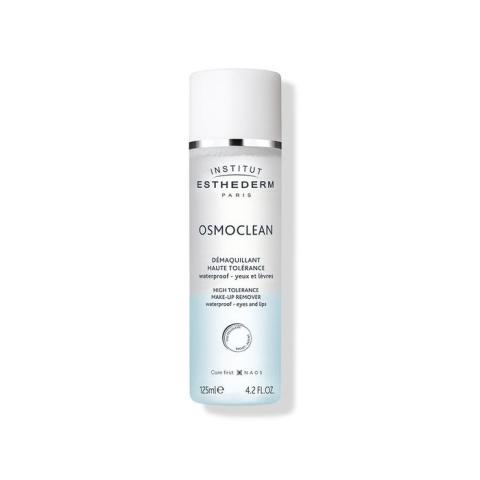
EYES AND LIPS MAKE-UP REMOVER
TLDR
Price:
39,00 $CAProduct Type:
CleanserFinish
NourishedClaims:
Moisurizing, Calms Skin, Brightening, Hydrating, Softens SkinInstructions
Shake well before use to re-create emulsion. Apply using a cotton pad on the eyelids and lips. Leave on for a few seconds before removing makeupProduct Description
HIGH-TOLERANCE EYE AND LIP MAKE-UP REMOVER
A two-phase makeup removing liquid for any type of makeup, even waterproof and long-lasting makeup.
HIGH-TOLERANCE EYE AND LIP MAKE-UP REMOVER
Specifically developed for sensitive eyes, and sensitive or irritated lips to gently remove makeup.
PROVEN EFFICACY
CELLULAR WATER PATENT (*PATENT ISSUED IN FRANCE)
Water is the main component of a cosmetic product: therefore, its quality is essential. NAOS has designed a perfectly defined water, meeting the three fundamental criteria for physiological fluids: pH, oxidation resistance, and concentration of mineral salts. It optimises cellular functioning and preserves the balance of healthy skin. Components that can contribute to this patent: aqua/water/eau, disodium adenosine triphosphate, carnosine, laminaria digitata extract, aminoethanesulfinic acid, citric acid, as well as mineral salts.
HOW TO USE
Shake well before use to re-create emulsion. Apply using a cotton pad on the eyelids and lips. Leave on for a few seconds before removing makeup.
Water-oil bi-phase lotion
Description
HIGH-TOLERANCE EYE AND LIP MAKE-UP REMOVER
A two-phase makeup removing liquid for any type of makeup, even waterproof and long-lasting makeup.
HIGH-TOLERANCE EYE AND LIP MAKE-UP REMOVER
Specifically developed for sensitive eyes, and sensitive or irritated lips to gently remove makeup.
PROVEN EFFICACY
CELLULAR WATER PATENT (*PATENT ISSUED IN FRANCE)
Water is the main component of a cosmetic product: therefore, its quality is essential. NAOS has designed a perfectly defined water, meeting the three fundamental criteria for physiological fluids: pH, oxidation resistance, and concentration of mineral salts. It optimises cellular functioning and preserves the balance of healthy skin. Components that can contribute to this patent: aqua/water/eau, disodium adenosine triphosphate, carnosine, laminaria digitata extract, aminoethanesulfinic acid, citric acid, as well as mineral salts.
HOW TO USE
Shake well before use to re-create emulsion. Apply using a cotton pad on the eyelids and lips. Leave on for a few seconds before removing makeup.
Water-oil bi-phase lotion
Ingredients:
- AQUA/WATER/EAU AQUA_WATER_EAU is commonly used as a base ingredient in cosmetics to provide hydration and improve the texture and spreadability of the product. It acts as a solvent for other ingredients and helps to deliver the active components of the product to the skin.
- ISOHEXADECANE ISOHEXADECANE is commonly used in cosmetics as a solvent and texture enhancer, helping to create a smooth and lightweight feel for products such as lotions, creams, and foundations. It also acts as an emollient, providing moisturizing properties to the skin.
- ISODODECANE ISODODECANE is commonly used in cosmetics as a solvent and emollient. It enhances the spreadability of products, provides a smooth and silky texture, and helps to lock in moisture without leaving a greasy residue.
- butylene glycol Butylene glycol is a clear, colorless liquid that is used as a humectant, solvent, and emulsifier in cosmetics. As a humectant, it helps to keep skin hydrated by drawing water from the air or deeper skin layers and locking it onto the surface of the skin.
- Propanediol Propanediol is a natural preservative, humectant, and solvent used in cosmetics to help keep products stable and safe for use. It works as a preservative by preventing the growth of bacteria, mold, and yeast in cosmetics. As a humectant, it helps skin retain moisture and provides hyd
- sodium chloride Sodium chloride, also known as table salt, is used in cosmetics for a variety of purposes. It is used to thicken products, balance the pH, and as a preservative. It is also used to help bind ingredients together, and to reduce irritation from other ingredients. Sodium chloride is also used as
- PENTYLENE GLYCOL Pentylene Glycol is commonly used in cosmetics as a humectant and solvent, helping to retain moisture and improve the texture of skincare products. It also has antimicrobial properties, making it useful as a preservative to extend the shelf life of cosmetic formulations.
- FRUCTOOLIGOSACCHARIDES Fructooligosaccharides are commonly used in cosmetics as a natural prebiotic ingredient that helps to nourish and support the skin's beneficial bacteria, promoting a healthy microbiome and balanced skin.
- 1,2-hexanediol 1,2-Hexanediol is a humectant, meaning it attracts and binds moisture to the skin. It is often used in cosmetics because it helps to keep the skin hydrated and prevents moisture from evaporating. It is also an emollient, meaning it softens and soothes the
- SODIUM CITRATE Sodium citrate is commonly used in cosmetics as a buffering agent and pH adjuster. It helps stabilize formulas and control the acidity levels of various skincare and haircare products.
- COPPER GLUCONATE Copper Gluconate is commonly used in cosmetics as a skin conditioning agent due to its ability to promote collagen synthesis and enhance skin elasticity. It is also known for its antioxidant properties, helping to protect the skin from free radical damage.
- SODIUM HYALURONATE Sodium Hyaluronate is a form of hyaluronic acid that is often used in cosmetics for its ability to deeply hydrate and plump the skin. It helps to improve moisture retention, reduce the appearance of fine lines and wrinkles, and promote a smoother and more youthful complexion.
- PROPYLENE GLYCOL Propylene Glycol is a versatile ingredient commonly used in cosmetics as a solvent, humectant, and emollient. It helps to retain moisture, enhance product texture, and improve the absorption of other ingredients.
- CITRIC ACID Citric acid is a common additive in cosmetics, personal care products, and beauty products. It is used as a preservative, pH adjuster, and exfoliant. As a preservative, citric acid is used to extend the shelf life of products by inhibiting the growth of bacteria and other
- GLYCERIN Glycerin is widely used in cosmetics and personal care products due to its hydrating and emollient properties. It helps to attract and retain moisture in the skin, making it a popular ingredient in moisturizers, lotions, and creams. It can also be used as a humectant in
- CARNOSINE Carnosine is a naturally occurring amino acid that is often used in cosmetics for its anti-aging properties. It helps to reduce the appearance of wrinkles and fine lines by protecting the skin against the harmful effects of free radicals and promoting collagen production.
- PEUMUS BOLDUS LEAF EXTRACT Peumus Boldus Leaf Extract is used in cosmetics for its antioxidant and anti-inflammatory properties. It is commonly found in skincare products to help soothe and calm the skin, as well as protect it from environmental stressors.
- DISODIUM ADENOSINE TRIPHOSPHATE Disodium Adenosine is a cosmetic ingredient commonly used as a skin-conditioning agent. It helps to improve the texture and appearance of the skin by providing hydration and promoting a smooth and youthful complexion.
- LAMINARIA DIGITATA EXTRACT Laminaria Digitata Extract is commonly used in cosmetics for its hydrating and nourishing properties. It helps to keep the skin moisturized, smooth, and youthful-looking, making it a popular ingredient in skincare products.
- CAPRYLYL GLYCOL Caprylyl Glycol is a versatile cosmetic ingredient that is commonly used as a moisturizing agent, emollient, and preservative in cosmetics. It helps to condition and soften the skin, while also preventing the growth of bacteria and other microorganisms in beauty products.
- XANTHAN GUM Xanthan gum is a polysaccharide gum that is used in cosmetics and beauty products as a thickening agent, stabilizer, emulsifier, and suspending agent. It helps to increase the viscosity of a product, preventing separation of ingredients and allowing them to blend together more easily. It
Ingredients
- AQUA/WATER/EAU AQUA_WATER_EAU is commonly used as a base ingredient in cosmetics to provide hydration and improve the texture and spreadability of the product. It acts as a solvent for other ingredients and helps to deliver the active components of the product to the skin.
- ISOHEXADECANE ISOHEXADECANE is commonly used in cosmetics as a solvent and texture enhancer, helping to create a smooth and lightweight feel for products such as lotions, creams, and foundations. It also acts as an emollient, providing moisturizing properties to the skin.
- ISODODECANE ISODODECANE is commonly used in cosmetics as a solvent and emollient. It enhances the spreadability of products, provides a smooth and silky texture, and helps to lock in moisture without leaving a greasy residue.
- butylene glycol Butylene glycol is a clear, colorless liquid that is used as a humectant, solvent, and emulsifier in cosmetics. As a humectant, it helps to keep skin hydrated by drawing water from the air or deeper skin layers and locking it onto the surface of the skin.
- Propanediol Propanediol is a natural preservative, humectant, and solvent used in cosmetics to help keep products stable and safe for use. It works as a preservative by preventing the growth of bacteria, mold, and yeast in cosmetics. As a humectant, it helps skin retain moisture and provides hyd
- sodium chloride Sodium chloride, also known as table salt, is used in cosmetics for a variety of purposes. It is used to thicken products, balance the pH, and as a preservative. It is also used to help bind ingredients together, and to reduce irritation from other ingredients. Sodium chloride is also used as
- PENTYLENE GLYCOL Pentylene Glycol is commonly used in cosmetics as a humectant and solvent, helping to retain moisture and improve the texture of skincare products. It also has antimicrobial properties, making it useful as a preservative to extend the shelf life of cosmetic formulations.
- FRUCTOOLIGOSACCHARIDES Fructooligosaccharides are commonly used in cosmetics as a natural prebiotic ingredient that helps to nourish and support the skin's beneficial bacteria, promoting a healthy microbiome and balanced skin.
- 1,2-hexanediol 1,2-Hexanediol is a humectant, meaning it attracts and binds moisture to the skin. It is often used in cosmetics because it helps to keep the skin hydrated and prevents moisture from evaporating. It is also an emollient, meaning it softens and soothes the
- SODIUM CITRATE Sodium citrate is commonly used in cosmetics as a buffering agent and pH adjuster. It helps stabilize formulas and control the acidity levels of various skincare and haircare products.
- COPPER GLUCONATE Copper Gluconate is commonly used in cosmetics as a skin conditioning agent due to its ability to promote collagen synthesis and enhance skin elasticity. It is also known for its antioxidant properties, helping to protect the skin from free radical damage.
- SODIUM HYALURONATE Sodium Hyaluronate is a form of hyaluronic acid that is often used in cosmetics for its ability to deeply hydrate and plump the skin. It helps to improve moisture retention, reduce the appearance of fine lines and wrinkles, and promote a smoother and more youthful complexion.
- PROPYLENE GLYCOL Propylene Glycol is a versatile ingredient commonly used in cosmetics as a solvent, humectant, and emollient. It helps to retain moisture, enhance product texture, and improve the absorption of other ingredients.
- CITRIC ACID Citric acid is a common additive in cosmetics, personal care products, and beauty products. It is used as a preservative, pH adjuster, and exfoliant. As a preservative, citric acid is used to extend the shelf life of products by inhibiting the growth of bacteria and other
- GLYCERIN Glycerin is widely used in cosmetics and personal care products due to its hydrating and emollient properties. It helps to attract and retain moisture in the skin, making it a popular ingredient in moisturizers, lotions, and creams. It can also be used as a humectant in
- CARNOSINE Carnosine is a naturally occurring amino acid that is often used in cosmetics for its anti-aging properties. It helps to reduce the appearance of wrinkles and fine lines by protecting the skin against the harmful effects of free radicals and promoting collagen production.
- PEUMUS BOLDUS LEAF EXTRACT Peumus Boldus Leaf Extract is used in cosmetics for its antioxidant and anti-inflammatory properties. It is commonly found in skincare products to help soothe and calm the skin, as well as protect it from environmental stressors.
- DISODIUM ADENOSINE TRIPHOSPHATE Disodium Adenosine is a cosmetic ingredient commonly used as a skin-conditioning agent. It helps to improve the texture and appearance of the skin by providing hydration and promoting a smooth and youthful complexion.
- LAMINARIA DIGITATA EXTRACT Laminaria Digitata Extract is commonly used in cosmetics for its hydrating and nourishing properties. It helps to keep the skin moisturized, smooth, and youthful-looking, making it a popular ingredient in skincare products.
- CAPRYLYL GLYCOL Caprylyl Glycol is a versatile cosmetic ingredient that is commonly used as a moisturizing agent, emollient, and preservative in cosmetics. It helps to condition and soften the skin, while also preventing the growth of bacteria and other microorganisms in beauty products.
- XANTHAN GUM Xanthan gum is a polysaccharide gum that is used in cosmetics and beauty products as a thickening agent, stabilizer, emulsifier, and suspending agent. It helps to increase the viscosity of a product, preventing separation of ingredients and allowing them to blend together more easily. It