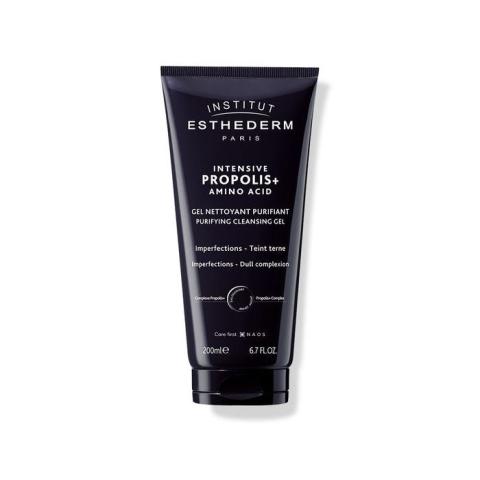
INTENSIVE PROPOLIS+ AMINO ACID GEL NETTOYANT PURIFIANT
TLDR
Price:
42,00 $CAProduct Type:
MoisturizerFinish
NourishedClaims:
Calms Skin, Softens SkinInstructions
Appliquer matin et soir sur les zones concernées (visage, cou et/ou dos). Massez doucement, puis rincez abondamment.Product Description
HOW TO USE
Appliquer matin et soir sur les zones concernées (visage, cou et/ou dos). Massez doucement, puis rincez abondamment.
Description
HOW TO USE
Appliquer matin et soir sur les zones concernées (visage, cou et/ou dos). Massez doucement, puis rincez abondamment.
Ingredients:
- AQUA/WATER/EAU AQUA_WATER_EAU is commonly used as a base ingredient in cosmetics to provide hydration and improve the texture and spreadability of the product. It acts as a solvent for other ingredients and helps to deliver the active components of the product to the skin.
- Sodium Cocoamphoacetate Sodium Cocoamphoacetate is a mild surfactant, which is commonly used in cosmetics to help keep the outermost layer of skin moisturized. It helps to remove dirt, oil, and makeup from the skin, while also adding moisture and preventing dryness. Sodium Cocoamphoacetate also
- Propanediol Propanediol is a natural preservative, humectant, and solvent used in cosmetics to help keep products stable and safe for use. It works as a preservative by preventing the growth of bacteria, mold, and yeast in cosmetics. As a humectant, it helps skin retain moisture and provides hyd
- SODIUM LAUROYL SARCOSINATE Sodium Lauroyl Sarcosinate is a surfactant and foaming agent commonly used in cosmetics, including shampoos, cleansers, and toothpaste. It helps to create a rich lather and effectively cleanse the skin or hair, while also being gentler and less irritating than other surfactants.
- coco-glucoside Coco-glucoside is a mild, plant-based surfactant derived from coconut and glucose. It is used in cosmetics as a cleansing agent and foaming agent because of its gentle, non-irritating properties. Coco-glucoside is also used as an emulsifier
- GLYCERYL OLEATE Glyceryl Oleate is commonly used in cosmetics as an emulsifier and a conditioning agent. It helps to blend oil and water-based ingredients together and improves the overall texture and feel of a product on the skin or hair.
- Acrylates/C10-30 Alkyl Acrylate Crosspolymer Acrylates_C10-30 Alkyl Acrylate Crosspolymer is a polymer used in cosmetics and personal care products as a binding agent, dispersant, and stabilizer. It is also used to thicken and emulsify products, and to help keep them from separating or becoming
- SODIUM CITRATE Sodium citrate is commonly used in cosmetics as a buffering agent and pH adjuster. It helps stabilize formulas and control the acidity levels of various skincare and haircare products.
- PENTYLENE GLYCOL Pentylene Glycol is commonly used in cosmetics as a humectant and solvent, helping to retain moisture and improve the texture of skincare products. It also has antimicrobial properties, making it useful as a preservative to extend the shelf life of cosmetic formulations.
- CITRIC ACID Citric acid is a common additive in cosmetics, personal care products, and beauty products. It is used as a preservative, pH adjuster, and exfoliant. As a preservative, citric acid is used to extend the shelf life of products by inhibiting the growth of bacteria and other
- sodium pca Sodium PCA is a natural humectant used in cosmetics to help keep skin moisturized. It helps to attract and retain moisture, and can be found in a variety of products such as moisturizers, serums, and lotions. It helps to improve skin hydration, making skin appear smoother and
- SALICYLIC ACID Salicylic acid is a beta hydroxy acid commonly used in cosmetics for its exfoliating properties. It helps to unclog pores, reduce acne, and improve the overall texture and appearance of the skin.
- FRAGRANCE (PARFUM) Fragrance (parfum) is a common ingredient used in cosmetics to provide a pleasant scent or mask unpleasant odors. It enhances the overall sensory experience of the product and can be found in various cosmetic products such as perfumes, lotions, and skincare items.
- PROPOLIS EXTRACT Propolis extract is used in cosmetics for its antimicrobial and antioxidant properties, helping to improve the overall health and appearance of the skin while protecting it from environmental stressors.
- sodium chloride Sodium chloride, also known as table salt, is used in cosmetics for a variety of purposes. It is used to thicken products, balance the pH, and as a preservative. It is also used to help bind ingredients together, and to reduce irritation from other ingredients. Sodium chloride is also used as
- AMINOETHANESULFINIC ACID Aminoethanesulfinic acid, also known as taurine, is an amino acid derivative commonly used in cosmetics as a skin-conditioning agent and antioxidant. It helps to improve skin hydration, reduce inflammation, and protect against environmental damage, promoting healthier and more radiant-looking skin.
- CARNOSINE Carnosine is a naturally occurring amino acid that is often used in cosmetics for its anti-aging properties. It helps to reduce the appearance of wrinkles and fine lines by protecting the skin against the harmful effects of free radicals and promoting collagen production.
- POTASSIUM CHLORIDE Potassium Chloride is commonly used in cosmetics as a conditioning agent and viscosity builder. It helps to improve the texture and stability of cosmetic products, while also providing moisturizing and soothing properties to the skin.
- SODIUM BICARBONATE Sodium bicarbonate, also known as baking soda, is commonly used in cosmetics as a gentle exfoliant and pH adjuster. It helps to remove dead skin cells, unclog pores, and promote a smoother complexion.
- TOCOPHEROL Tocopherol is used in cosmetics as a natural antioxidant ingredient that helps protect the skin from free radicals and environmental damage. It also acts as a moisturizer, helping to promote a smoother and more hydrated complexion.
- DISODIUM PHOSPHATE DISODIUM PHOSPHATE is commonly used in cosmetics as an emulsifying agent and pH adjuster, helping to stabilize the formulation and control acidity levels. It can be found in various skincare products, hair care products, and even makeup items.
- MAGNESIUM SULFATE Magnesium sulfate, also known as Epsom salt, is commonly used in cosmetics as a mineral salt for its exfoliating and soothing properties. It is often included in bath salts, scrubs, and creams to help relax muscles, improve circulation, and promote overall skin health.
- HYDROGENATED PALM GLYCERIDES CITRATE Hydrogenated Palm Glycerides Citrate is commonly used in cosmetics as an emulsifier and surfactant. It helps to create stable formulations by improving the texture and consistency of the product.
- POTASSIUM PHOSPHATE Potassium Phosphate is commonly used in cosmetics as a pH adjuster and buffering agent. It helps to stabilize the formulation and maintain the desired pH level for the product.
- CALCIUM CHLORIDE Calcium chloride is commonly used in cosmetics as a firming and stabilizing agent, helping to improve the texture and consistency of various products such as creams, lotions, and serums. Additionally, it can act as a preservative, extending the shelf life of these formulations by preventing the growth of bacteria and other microorganisms.
Ingredients
- AQUA/WATER/EAU AQUA_WATER_EAU is commonly used as a base ingredient in cosmetics to provide hydration and improve the texture and spreadability of the product. It acts as a solvent for other ingredients and helps to deliver the active components of the product to the skin.
- Sodium Cocoamphoacetate Sodium Cocoamphoacetate is a mild surfactant, which is commonly used in cosmetics to help keep the outermost layer of skin moisturized. It helps to remove dirt, oil, and makeup from the skin, while also adding moisture and preventing dryness. Sodium Cocoamphoacetate also
- Propanediol Propanediol is a natural preservative, humectant, and solvent used in cosmetics to help keep products stable and safe for use. It works as a preservative by preventing the growth of bacteria, mold, and yeast in cosmetics. As a humectant, it helps skin retain moisture and provides hyd
- SODIUM LAUROYL SARCOSINATE Sodium Lauroyl Sarcosinate is a surfactant and foaming agent commonly used in cosmetics, including shampoos, cleansers, and toothpaste. It helps to create a rich lather and effectively cleanse the skin or hair, while also being gentler and less irritating than other surfactants.
- coco-glucoside Coco-glucoside is a mild, plant-based surfactant derived from coconut and glucose. It is used in cosmetics as a cleansing agent and foaming agent because of its gentle, non-irritating properties. Coco-glucoside is also used as an emulsifier
- GLYCERYL OLEATE Glyceryl Oleate is commonly used in cosmetics as an emulsifier and a conditioning agent. It helps to blend oil and water-based ingredients together and improves the overall texture and feel of a product on the skin or hair.
- Acrylates/C10-30 Alkyl Acrylate Crosspolymer Acrylates_C10-30 Alkyl Acrylate Crosspolymer is a polymer used in cosmetics and personal care products as a binding agent, dispersant, and stabilizer. It is also used to thicken and emulsify products, and to help keep them from separating or becoming
- SODIUM CITRATE Sodium citrate is commonly used in cosmetics as a buffering agent and pH adjuster. It helps stabilize formulas and control the acidity levels of various skincare and haircare products.
- PENTYLENE GLYCOL Pentylene Glycol is commonly used in cosmetics as a humectant and solvent, helping to retain moisture and improve the texture of skincare products. It also has antimicrobial properties, making it useful as a preservative to extend the shelf life of cosmetic formulations.
- CITRIC ACID Citric acid is a common additive in cosmetics, personal care products, and beauty products. It is used as a preservative, pH adjuster, and exfoliant. As a preservative, citric acid is used to extend the shelf life of products by inhibiting the growth of bacteria and other
- sodium pca Sodium PCA is a natural humectant used in cosmetics to help keep skin moisturized. It helps to attract and retain moisture, and can be found in a variety of products such as moisturizers, serums, and lotions. It helps to improve skin hydration, making skin appear smoother and
- SALICYLIC ACID Salicylic acid is a beta hydroxy acid commonly used in cosmetics for its exfoliating properties. It helps to unclog pores, reduce acne, and improve the overall texture and appearance of the skin.
- FRAGRANCE (PARFUM) Fragrance (parfum) is a common ingredient used in cosmetics to provide a pleasant scent or mask unpleasant odors. It enhances the overall sensory experience of the product and can be found in various cosmetic products such as perfumes, lotions, and skincare items.
- PROPOLIS EXTRACT Propolis extract is used in cosmetics for its antimicrobial and antioxidant properties, helping to improve the overall health and appearance of the skin while protecting it from environmental stressors.
- sodium chloride Sodium chloride, also known as table salt, is used in cosmetics for a variety of purposes. It is used to thicken products, balance the pH, and as a preservative. It is also used to help bind ingredients together, and to reduce irritation from other ingredients. Sodium chloride is also used as
- AMINOETHANESULFINIC ACID Aminoethanesulfinic acid, also known as taurine, is an amino acid derivative commonly used in cosmetics as a skin-conditioning agent and antioxidant. It helps to improve skin hydration, reduce inflammation, and protect against environmental damage, promoting healthier and more radiant-looking skin.
- CARNOSINE Carnosine is a naturally occurring amino acid that is often used in cosmetics for its anti-aging properties. It helps to reduce the appearance of wrinkles and fine lines by protecting the skin against the harmful effects of free radicals and promoting collagen production.
- POTASSIUM CHLORIDE Potassium Chloride is commonly used in cosmetics as a conditioning agent and viscosity builder. It helps to improve the texture and stability of cosmetic products, while also providing moisturizing and soothing properties to the skin.
- SODIUM BICARBONATE Sodium bicarbonate, also known as baking soda, is commonly used in cosmetics as a gentle exfoliant and pH adjuster. It helps to remove dead skin cells, unclog pores, and promote a smoother complexion.
- TOCOPHEROL Tocopherol is used in cosmetics as a natural antioxidant ingredient that helps protect the skin from free radicals and environmental damage. It also acts as a moisturizer, helping to promote a smoother and more hydrated complexion.
- DISODIUM PHOSPHATE DISODIUM PHOSPHATE is commonly used in cosmetics as an emulsifying agent and pH adjuster, helping to stabilize the formulation and control acidity levels. It can be found in various skincare products, hair care products, and even makeup items.
- MAGNESIUM SULFATE Magnesium sulfate, also known as Epsom salt, is commonly used in cosmetics as a mineral salt for its exfoliating and soothing properties. It is often included in bath salts, scrubs, and creams to help relax muscles, improve circulation, and promote overall skin health.
- HYDROGENATED PALM GLYCERIDES CITRATE Hydrogenated Palm Glycerides Citrate is commonly used in cosmetics as an emulsifier and surfactant. It helps to create stable formulations by improving the texture and consistency of the product.
- POTASSIUM PHOSPHATE Potassium Phosphate is commonly used in cosmetics as a pH adjuster and buffering agent. It helps to stabilize the formulation and maintain the desired pH level for the product.
- CALCIUM CHLORIDE Calcium chloride is commonly used in cosmetics as a firming and stabilizing agent, helping to improve the texture and consistency of various products such as creams, lotions, and serums. Additionally, it can act as a preservative, extending the shelf life of these formulations by preventing the growth of bacteria and other microorganisms.